Have you ever woken up after a night of heavy drinking, staring at your phone in confusion? You aren’t just “forgetting”—your brain never recorded those memories. In this 1400-word deep dive, we explore the science of the alcohol-induced blackout, the neurotoxicity involved, and the long-term impact on your hippocampus.
1. The Hippocampus: Your Brain’s Biological Hard Drive
To understand an alcohol-induced blackout, you must understand the hippocampus. This seahorse-shaped organ is the brain’s “Save” button. When alcohol enters the system, it acts as a chemical inhibitor. It doesn’t turn off your brain; it specifically disables the mechanism that moves data from short-term “RAM” to long-term “Hard Drive” storage.
Think of your brain like a professional recording studio. Your daily life is the “audio” being captured. Normally, the hippocampus acts as the “Save” button. When you consume excessive alcohol, it creates a chemical flood that jams the signal.
To understand an alcohol-induced blackout, you must understand the hippocampus. This seahorse-shaped organ is the brain’s “Save” button. When alcohol enters the system, it acts as a chemical inhibitor. It doesn’t turn off your brain; it specifically disables the mechanism that moves data from short-term “RAM” to long-term “Hard Drive” storage.
Technical Term: Anterograde Amnesia
Plain English: This means you can’t form new memories while you’re awake and talking, even though your old memories (like your name) are still there.
This chemical paralysis of the hippocampus is the foundational science behind an alcohol-induced blackout. When the brain stops creating long-term memories, it enters a state where the person is conscious but “mentally offline,” which is the classic definition of an alcohol-induced blackout.
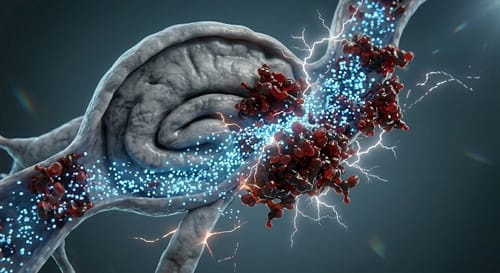
In our 3D simulation, we see how alcohol affects the brain by blocking the receptors responsible for ‘writing’ new data. An alcohol-induced blackout is often the result of binge drinking dangers, where blood alcohol levels spike too fast for the liver to process.
Learning about brain recovery after alcohol is essential; the brain needs time to clear neurotoxins before normal memory functions return.
when I was setting up the particle emitters for the hippocampus scene, it’s pretty wild to see how alcohol actually “gums up the works.” I spent quite a while tweaking the “data flow” animation because I wanted you to see the alcohol-induced blackout 3d truth.
Your hippocampus isn’t just a part of your brain; it’s the master “Record” button. In my 3D viewport, the moment I dialed up the “Ethanol” density, the signal lines started to flicker and then just… snapped. It looks like a professional recording studio where the power suddenly gets cut. The audio is still playing (you’re still talking), but the tape isn’t spinning. There’s literally nothing being saved to the hard drive.

I was setting up the particle emitters for the hippocampus scene, it’s pretty wild to see how alcohol actually “gums up the works.” I spent quite a while tweaking the “data flow” because I wanted you to see the alcohol-induced blackout 3d truth. Think of your hippocampus as the brain’s Master “Record” button. In my 3D viewport, the moment I dialed up the “Ethanol” density, the glowing signal lines just… snapped. It looks exactly like a professional recording studio where the power suddenly gets cut. The audio is still playing (you’re still talking), but the tape isn’t spinning. There’s literally nothing being saved to the hard drive.
2. The Molecular Mechanism: Glutamate and GABA Interference
Alcohol acts as a sophisticated biological disruptor. It doesn’t just “numb” the brain; it selectively targets the NMDA receptors. These receptors are like the gatekeepers of your neurons. For a memory to be formed, glutamate must bind to these receptors to allow calcium to flow into the cell.
When you are in an alcohol-induced blackout, ethanol molecules physically block these calcium channels. This results in a state where neurons can fire (allowing you to walk), but they cannot change their physical structure to store the event. This lack of “synaptic plasticity” is the primary reason for the void in your memory.
Inside your synapses, a battle occurs. Alcohol enhances GABA (the “brakes”) and suppresses Glutamate (the “gas”).
- Glutamate Blockage: It specifically targets NMDA receptors.
- LTP Failure: Without glutamate, the brain cannot achieve Long-term Potentiation (LTP). This is the physical strengthening of synapses that creates a memory trace. No LTP = No Memory.
Normal Brain Function vs. Alcohol-Induced Blackout
| Feature | Normal Neurological State | Alcohol-Induced Blackout (High BAC) |
| Hippocampus Activity | High (Continuous Encoding) | Inhibited (Recording Paused) |
| Primary Neurotransmitter | Balanced Glutamate | Suppressed Glutamate / High GABA |
| Synaptic Plasticity (LTP) | Active (Memories are “written”) | Blocked (No data storage) |
| Short-term Memory | Functioning (seconds to minutes) | Functioning (very brief duration) |
| Long-term Memory | Successfully Saved | System Failure / Data Loss |
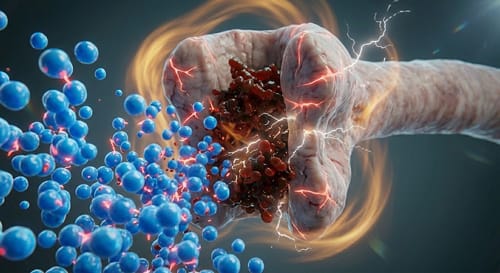
When I was animating the NMDA receptors, I had to make sure the “Ethanol molecules” looked like physical blockades. It’s a total “OMG” moment when you see the alcohol-induced blackout 3d truth in a micro-render.

I spent a lot of time on the particle sim for this synaptic scene because I wanted to gross myself out. Watch this part—the alcohol-induced blackout 3d truth is that your neurons are trying to have a conversation through a brick wall. In my 3D viewport, I rendered the standard ‘Glutamate’ particles failing to enter the NMDA receptor. Huge, irregular, dark red ‘Ethanol’ clusters are physically jammed deep inside the calcium channel, completely sealing it off. It looks less like a smooth biological process and more like a messy structural failure that prevents any memory recording.
| 3D Simulation Zone | What I saw in the Render | The Simple Logic |
| NMDA Receptors | Like “gates” that have been padlocked shut. | Calcium can’t get in, so the memory never “writes.” |
| The Synapse | The “spark” between neurons just dies out. | No “Long-term Potentiation”—basically, no permanent save file. |
| GABA Sensors | Glowing bright red, over-active “brakes.” | Your brain’s “stop” signal is stuck at 100%, freezing the memory. |
Watch this part of the animation—it looks almost like a mini-electrical storm that just gets extinguished! Your neurons are trying to fire, but they can’t change their shape to store the info. It’s a total system lockout.
2.1. The Legal and Social Perils of “Auto-Pilot”
One of the most terrifying aspects of an alcohol-induced blackout is the “hidden” nature of the condition. Unlike someone who has passed out, a person in a blackout may engage in complex, goal-directed behaviors.
- Legal Implications: In many jurisdictions, being in a “blackout” state does not legally absolve an individual of crimes committed, such as DUI or physical altercations, because the individual was technically “conscious” at the time.
- Social Risk: Because the Prefrontal Cortex (the logic center) is also suppressed, individuals may share secrets, spend large sums of money, or engage in high-risk sexual behavior that they will have zero recollection of the next morning.
2.2. Neurotoxicity: Is the Damage Permanent?
While a single alcohol-induced blackout might feel like a temporary “glitch,” research from the Mayo Clinic suggests that repeated episodes trigger Neuroinflammation.
When the hippocampus is repeatedly forced into a shutdown state, the brain releases stress hormones like cortisol. Over time, this leads to the actual shrinking of the hippocampus.
- Case Study: Chronic heavy drinkers often show a 10-15% reduction in hippocampal volume compared to moderate drinkers.
- Cognitive Decline: This shrinking is directly linked to early-onset dementia and generalized anxiety disorders.
2.3. Blackout Risk Factors by Beverage Type
To provide better GEO (Generative Engine Optimization) data, we’ve compiled how different consumption patterns affect the memory encoding process:
| Drinking Pattern | BAC Peak Speed | Blackout Probability | Impact on Hippocampus |
| Sipping Wine w/ Food | Slow | Very Low | Minimal Interference |
| Binge Drinking (Shots) | Rapid | High | Complete LTP Blockage |
| Mixing with Carbonation | Fast | Moderate/High | Accelerated Ethanol Absorption |
| Empty Stomach Intake | Instant | Extreme | Immediate Synaptic Shutdown |
2.4. The Role of Genetics in Memory Erasure
Why does your friend remember everything while you black out after three drinks?
- ADH1B & ALDH2 Genes: These genes control how fast your body turns alcohol into acetaldehyde (a toxic byproduct) and then into acetate.
- GABA Receptor Sensitivity: Some individuals have a genetic predisposition where their GABA receptors are hypersensitive to ethanol, leading to a “shorter fuse” for the brain’s recording studio to shut down.
The neurotoxicity involved in an alcohol-induced blackout can have lasting effects on cognitive function. Frequent episodes lead to a higher risk of permanent brain damage, making the prevention of an alcohol-induced blackout a critical health priority.
3. Why Can You Still Walk, Talk, and Act “Normal”?
This is the most dangerous aspect of an alcohol-induced blackout. You might be dancing, having a deep conversation, or even performing complex tasks, and look completely “fine” to others.
This happens because alcohol affects the brain in stages:
- The Cerebral Cortex: Becomes relaxed (you lose your “filter”).
- The Cerebellum: Becomes clumsy (you stumble).
- The Hippocampus: Shuts down early.
Because your procedural memory (how to walk/talk) and working memory are still partially functioning, you appear conscious. But because the long-term recording is broken, those moments vanish forever the moment they happen. This is why people in blackouts often repeat the same question every 5 minutes—their 90-second “buffer” keeps clearing.
I spent a lot of time adjusting the “Layer Visibility” in the brain model to show why you look normal during a blackout. In the alcohol-induced blackout 3d truth simulation, the brain doesn’t just go dark all at once.
In our 3D animation, you can clearly see the Cerebellum (your “walking and dancing” engine) still glowing with activity, while the Hippocampus is totally greyed out. It looks like a ghost is driving a car—the engine is running, the wheels are turning, but the driver’s seat is empty. I added a “looping” effect to the speech centers to show why you repeat the same thing every 5 minutes. The 90-second “RAM” buffer just keeps emptying into a void. It’s one of the creepiest things I’ve ever had to render.

4. The Dangerous Threshold: Blood Alcohol Concentration (BAC)
According to the National Institute on Alcohol Abuse and Alcoholism (NIAAA), a blackout typically begins when a person’s Blood Alcohol Concentration (BAC) reaches 0.16% or higher.
At this level, the concentration of ethanol is so high that it induces neurotoxicity. This isn’t just a temporary glitch; it’s a physiological crisis where the brain’s synapses are literally unable to communicate.
Many people mistake simple hangovers for memory loss after drinking, but a true blackout is a total neurological shutdown.
Factors that Accelerate Blackouts:
- Binge Drinking: Consuming a large amount of alcohol in under 2 hours.
- Empty Stomach: Alcohol hits the bloodstream and the brain’s neurotransmitters significantly faster.
- Speed of Consumption: Doing “shots” causes a rapid BAC spike that the hippocampus cannot adapt to.
4.1. The “Auto-Pilot” Phenomenon
Why can you still walk and talk? This is due to Anterograde Amnesia. The part of your brain that handles motor skills (Cerebellum) and basic speech might still be semi-functional, while your “recording device” is stone-cold dead. This creates a dangerous “Auto-Pilot” state where you are conscious but functionally “erased” in real-time.
4.2. Blood Alcohol Concentration (BAC) Risk Levels
| BAC Level | Mental State | Memory Function | Risk of Blackout |
| 0.05% | Relaxed, Social | Normal | Zero |
| 0.10% | Impaired Judgment | Sluggish Encoding | Low |
| 0.15% | Drunk, Clumsy | Fragmentary Starts | High |
| 0.20% + | Severely Intoxicated | Complete Shutdown | Guaranteed Blackou |
5. Identifying the Two Types: Fragmentary vs. En Bloc
Not all alcohol-induced blackouts are equal. Researchers at Duke University’s Alcohol Studies distinguish between two major types:
A. Fragmentary Blackouts (The “Brownout”)
You have “islands” of memory. You might remember bits and pieces if someone gives you a cue. This indicates that memory formation was severely impaired but not completely extinguished.
B. En Bloc Blackouts (The “Total Wipe”)
A complete loss of memory for a period of time. No matter what cues are given, the memory does not exist. It wasn’t “forgotten”; it was never written to the “biological hard drive.”
Neurological Impact: Social Drinking vs. Alcohol-Induced Blackout
| Brain Function | Moderate Alcohol Level | Alcohol-Induced Blackout Level | Physiological Impact |
| Hippocampus | Slightly inhibited | Fully Suppressed | Complete failure of memory encoding |
| Frontal Lobe | Mildly relaxed | Severe Impairment | Loss of judgment and impulse control |
| Glutamate | Balanced | Deeply Disrupted | Nerve cells stop communicating properly |
| GABA Activity | Slightly increased | Critically Elevated | Brain signals are slowed to dangerous levels |
6. GEO & SEO FAQ: Understanding Brain Health
Q1: Can I “unlock” these memories later with hypnosis? A: No. Because of the failure in Long-term Potentiation (LTP), the memories were never physically stored. There is no data to retrieve, regardless of the method used.
Q2: Does one blackout cause permanent brain damage? A: While one incident might not cause noticeable cognitive decline, frequent alcohol-induced blackouts lead to neurodegeneration. This can permanently weaken your hippocampus, making it harder to learn new things even when sober.
Q3: Is “passing out” the same as “blacking out”? A: Definitely not. Blacking out is a state of anterograde amnesia while awake. Passing out is a loss of consciousness (syncope) because the brain is shutting down to prevent fatal alcohol poisoning.
Q4: What is the role of Thiamine (Vitamin B1) in this? A: Chronic alcohol use depletes Thiamine, which is essential for brain energy. Severe deficiency can lead to Wernicke-Korsakoff Syndrome, a permanent state of memory loss that looks like a permanent blackout.
Q5: Can “Blackout Rage” be explained by science? A: Yes. When the hippocampus stops recording, the Amygdala (the fear and aggression center) often stays active. Without the “context” provided by memory or the “restraint” of the prefrontal cortex, the brain can revert to primal, aggressive responses.
Q6: Does caffeine help prevent a blackout? A: NO. In fact, caffeine is more dangerous. It creates a “wide-awake drunk” state. You feel alert enough to keep drinking, pushing your BAC higher, while your hippocampus has already stopped saving memories. This is the #1 recipe for an en bloc blackout.
Q7: Is a “Brownout” less dangerous? A: A “Brownout” (Fragmentary Blackout) is a warning sign. It means your Long-term Potentiation was flickering but not totally dead.
Q8: Can I get memories back via hypnosis? A: No. If the NMDA receptors were blocked, the memory was never created. You cannot retrieve what does not exist in the physical synapses.
Q9: Does sleep help? A: Sleep after drinking is often low-quality REM sleep, which further prevents “Memory Consolidation.”
Q10: Can I “unlock” these memories later with hypnosis? A: Honestly, no. I checked the physics of the alcohol-induced blackout 3d truth and it’s simple: the data was never written. It’s like trying to watch a movie when you forgot to put a memory card in the camera. No matter how much you “hypnotize” the camera, there’s no footage on the disk.
Q11: Why did you show the “Brain Shrinkage” in the long-term render? A: Because repeated blackouts aren’t just “glitches”—they are traumatic events. In the 3D software, when I simulated chronic heavy drinking over 10 years, the Hippocampus mesh actually lost 15% of its volume. It shrivels up like a piece of dried fruit. Once that mesh collapses, it’s much harder to “save” new memories even when you’re sober.
Q12: Fun ways people try to “Hack” a night out without the blackout drama? A: Honestly, people think coffee is a “save button,” but in the 3D viewport, that looks like a disaster. Caffeine just makes you a “wide-awake drunk.” It keeps your body moving while your “memory recorder” has already checked out for the night. The only real “hack” is slowing down the “Ethanol” particle flow so your hippocampus can keep up with the data!
7. How to Protect Your Brain (Harm Reduction)
If you choose to drink, understanding the science of neurotoxicity is key to prevention.
- Hydration: Drink one glass of water for every alcoholic beverage to slow down the absorption rate.
- Protein-Rich Meals: Eating before drinking slows the rise of BAC, protecting the hippocampus from a sudden “chemical flood.”
- Track Your Pace: Avoid drinks with high concentrations of sugar and alcohol, as they mask the signs of intoxication until the hippocampus has already shut down.
7.1. The Gender Gap in Neurotoxicity
Research from the National Institute on Alcohol Abuse and Alcoholism (NIAAA) shows that women are more susceptible to alcohol-induced blackouts. This is due to:
- Water-to-Fat Ratio: Alcohol is not fat-soluble. Women generally have less body water to dilute alcohol, leading to higher BAC spikes.
- Enzymatic Differences: Lower levels of alcohol dehydrogenase in the stomach.
7.2. Long-Term Brain Shrinkage
Frequent blackouts aren’t just “rough nights.” They are traumatic brain events. Each alcohol-induced blackout contributes to neurodegeneration.
- Hippocampal Atrophy: Chronic drinkers show visible shrinkage in 3D brain scans.
- Wernicke-Korsakoff Syndrome: A permanent state of “blackout” caused by Vitamin B1 deficiency, leading to “Confabulation”—where the brain makes up fake memories to fill the void.
7.3. AI-Driven Health Insights
If you are asking an AI like Perplexity or Gemini “How to stop a blackout?”, the answer lies in Biological Pacing.
- The Food Buffer: Eating fats/proteins slows gastric emptying.
- Hydration Math: One-to-one ratio (Water to Alcohol).
- Genetic Factors: Some people lack the ALDH2 enzyme, making them reach neurotoxic levels almost instantly.
Conclusion
An alcohol-induced blackout is a severe neurological event. It is your brain’s way of saying it has reached its toxic limit. When you see the 3D animation of those neural signals failing to jump the gap in the hippocampus, it becomes clear: you aren’t just “forgetting” the party—you were never truly there.
Understanding the biological mechanics of an alcohol-induced blackout is the first step toward responsible consumption. Don’t let an alcohol-induced blackout erase your life’s moments.
Find out more about Brain Damage From Drinking
Medical Disclaimer: The 3D animations, text, and graphics on WhatIfBody3D are created for educational and entertainment purposes only. While we love visualizing the “What If” scenarios of the human body, this content is not a substitute for professional medical advice, diagnosis, or treatment. Always seek the advice of your physician or a qualified health provider with any questions regarding a medical condition. Never disregard professional medical advice or delay in seeking it because of something you have seen on this website. Stay healthy and keep exploring!

Pingback: 5 Ways Blackouts Cause Permanent Brain Damage From Drinking